In an era where traditional investments like stocks and bonds often dominate financial conversations, a quieter but steadily growing trend has emerged: investing in rare art and collectibles. From masterful paintings to rare coins and vintage toys, collectibles offer not just aesthetic or emotional value but also the potential for significant financial returns. Whether you’re a seasoned investor looking to diversify your portfolio or a passion‑driven collector curious about the investment potential of your hobby, this comprehensive guide will walk you through everything you need to know.
Baca Juga: Health Benefits of Grapes
What Are Collectibles and Why Do They Matter?
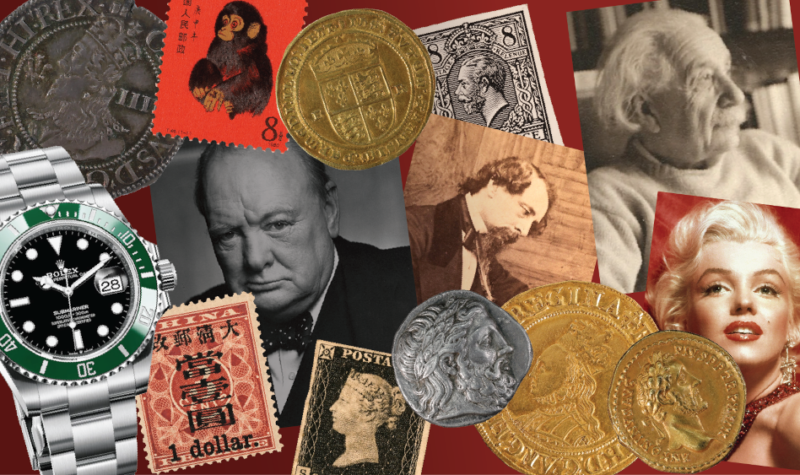
Collectibles are items that hold value over time—often because they are rare, historically significant, or in high demand among buyers and enthusiasts. Unlike everyday consumer goods, the worth of collectibles is largely driven by scarcity, provenance, condition, and desirability within a market.
Examples include:
- Fine art (paintings, sculptures, prints)
- Coins and currency
- Rare books and manuscripts
- Vintage watches
- Stamps
- Sports memorabilia
- Comic books
- Vintage toys and trading cards
Collectibles stand apart from other types of investments because they blend cultural, historical, emotional, and financial value. Their worth isn’t tied to interest rates or corporate earnings, which means they can sometimes appreciate even when traditional markets are weak.
Baca Juga: Syria Governance Challenges
The Financial Case for Investing in Collectibles
1. Diversification of Investment Portfolio
One of the core principles of smart investing is diversification—spreading risk across different asset classes. Collectibles behave differently from stocks, bonds, or real estate, making them potentially valuable alternative assets.
During times of market volatility, certain types of collectibles have shown resilience because their value is not directly tethered to economic indicators like inflation or GDP.
2. Inflation Hedge Potential
Physical assets, including collectibles, often retain value as inflation rises. When currency loses purchasing power, tangible items that are rare and desirable are likely to hold or even increase in price.
3. Cultural and Emotional Enjoyment
Unlike purely financial assets, collectibles carry intrinsic emotional appeal. Owning a masterpiece by a beloved artist or a first‑edition book can deliver aesthetic joy and personal satisfaction in addition to potential profit.
Baca Juga: China Access Restrictions on Platforms
How to Start Investing in Rare Art and Collectibles
Step 1: Educate Yourself About the Market
Before investing money, invest in knowledge:
- Learn the history of the collectible category you’re interested in.
- Study market trends and auction results.
- Understand what factors affect value (e.g., artist reputation, rarity, condition).
Step 2: Decide on Your Focus
Not all collectibles behave the same. Some categories, like rare coins or vintage watches, might have more mature markets and clearer pricing. Others, like contemporary art, can be more subjective and volatile.
Step 3: Set a Budget and Investment Plan
Collectibles can range from affordable trinkets to multi‑million‑dollar masterpieces. Define:
- How much you’re willing to spend
- Your time horizon (short term vs. long term)
- Whether you’re investing primarily for enjoyment, financial return, or both
Step 4: Verify Authenticity and Condition
An item’s authenticity and condition profoundly impact value. Always:
- Ask for certificates of authenticity
- Consult experts
- Get professional appraisals
A slight defect or a questionable provenance can dramatically reduce value.
Step 5: Explore Where to Buy
Popular avenues for acquiring collectibles include:
- Auction houses (Sotheby’s, Christie’s, Heritage Auctions)
- Specialist dealers
- Online marketplaces (e.g., Artsy, 1stDibs, eBay for certain categories)
- Private sales and estate auctions
Make sure to understand fees, bidding procedures, and return policies.
Different Types of Collectibles and Their Investment Profiles
Fine Art
Fine art includes works by established artists (e.g., Picasso, Warhol) and contemporary creators gaining critical attention. Art markets are often opaque, with prices influenced by galleries, critics, and cultural trends.
Pros: Potential for high returns, diversification from financial markets
Cons: Illiquid, high entry costs, requires deep expertise
Rare Coins and Currency
Coins have been collected and traded for centuries. Rarity, mint errors, and historical significance drive demand. Well‑preserved coins with low circulation grades can appreciate significantly.
Pros: Historically strong market, globally recognizable
Cons: Market fluctuations, requires careful grading
Sports Memorabilia
Items like game‑used jerseys, autographed balls, and trading cards have exploded in value over recent years. Cards from top athletes (e.g., baseball, basketball) now command millions in some cases.
Pros: Large and passionate market, strong online community
Cons: Trends can shift quickly, value tied to athlete popularity
Comic Books
First appearances of iconic characters (e.g., Superman, Spider‑Man) and early issues in excellent condition are highly prized. Grading (e.g., by CGC) significantly affects price.
Pros: High demand among dedicated collectors
Cons: Condition sensitivity, speculative bubbles
Vintage Toys and Trading Cards
Classic toys (e.g., early LEGO sets, Star Wars figures) and trading cards (Pokémon, Magic) have surged as nostalgia and limited supply collide.
Pros: Growing market, entry points at various price tiers
Cons: Condition risk, storage care required
Risks and Challenges of Investing in Collectibles
Lack of Liquidity
Unlike stocks, collectibles may not sell quickly at fair value. If you need cash, you might have to accept less than market value.
Market Volatility and Trends
Collectible markets can be fickle. What’s hot today might cool tomorrow. Staying updated is crucial.
Authenticity and Fraud
Fakes and misrepresented items abound, especially in online marketplaces. Doing due diligence and consulting experts is non‑negotiable.
Storage and Maintenance Costs
Preserving condition often requires specialized storage:
- Climate‑controlled cases for art and comics
- Security for rare and high‑value items
- Insurance to protect against loss or damage
Valuation Challenges
Unlike stocks, collectibles don’t have clear valuation formulas. Prices are often based on what a buyer is willing to pay—a subjective measure.
Tips from Veteran Collectors and Investors
- Patience Is Critical — Collectibles often appreciate over years or decades, not overnight.
- Build Community Connections — Networking at shows, auctions, and clubs can provide access to rare finds before they hit major marketplaces.
- Focus on Passion and Knowledge — Invest in categories you genuinely enjoy.
- Keep Detailed Records — Document purchase price, provenance, condition reports, and appraisals.
- Watch Market Indicators — Auction records, dealer reports, and price guides can signal emerging trends.
Final Thoughts: Balancing Passion with Profit
Investing in rare art and collectibles is a unique blend of passion and strategy. While financial returns are possible, success comes from knowledge, patience, and thoughtful decision‑making. Unlike traditional investments bound by financial metrics, collectibles allow you to enjoy beauty, history, and culture—while potentially growing your wealth.
For both newcomers and seasoned investors, the key is to start informed, stay curious, and treat your collectibles as both cherished possessions and long‑term assets.