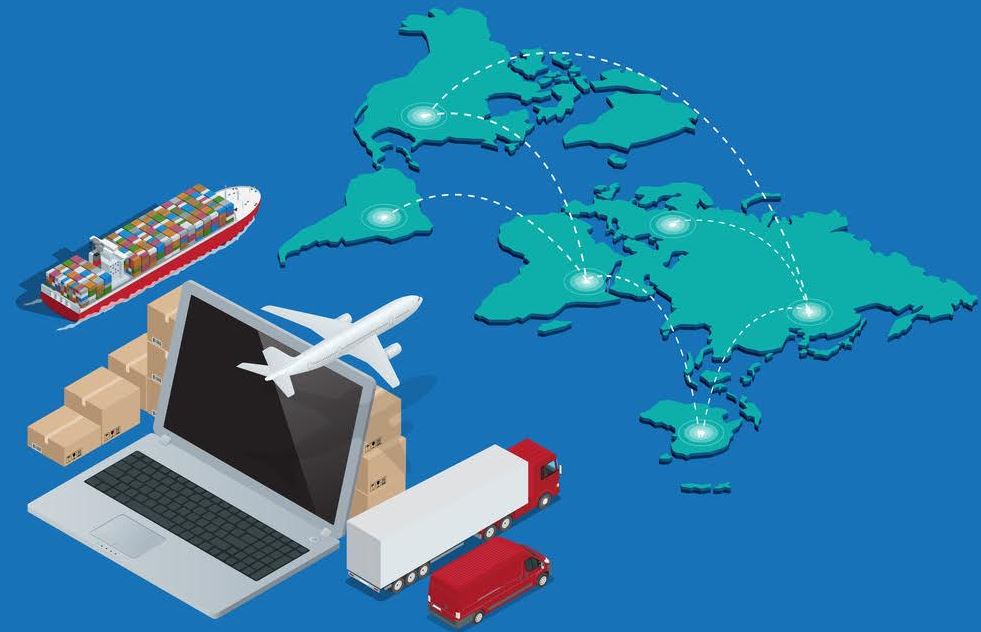
Regulatory compliance across borders is crucial for businesses operating in multiple countries, where each jurisdiction has its own set of laws and standards. Multinational companies must navigate complex legal, financial, and operational requirements to avoid fines, legal issues, and reputational risks. In today’s interconnected global economy, failing to meet these obligations can significantly disrupt business operations and growth.
The Importance of Cross-Border Compliance
Cross-border compliance refers to the adherence to legal, financial, and operational regulations in all jurisdictions where a company operates. With increasing globalization, companies face challenges such as varying tax laws, labor regulations, environmental requirements, and industry-specific standards. Non-compliance not only exposes firms to penalties but can also hinder market entry and growth opportunities.
For example, recent global events, such as natural disasters in Malaysia, military activities near borders in the Middle East, and aviation incidents in Europe, demonstrate how companies must adapt to local regulations and unexpected crises to maintain operational integrity and compliance standards .
Read also: Malaysia worst floods: deaths and displacement
Key Strategies for Effective Compliance
- Understand Local and International Regulations
Multinational corporations must invest in understanding both domestic and foreign regulations. This includes industry-specific rules, tax obligations, labor laws, and environmental requirements. Partnering with local legal experts or consultants ensures accurate interpretation of complex rules. - Implement Robust Internal Controls
Internal policies and controls help companies monitor compliance continuously. Automated compliance management systems can track regulatory changes, flag potential risks, and document adherence efforts efficiently. - Regular Training and Awareness Programs
Employees must understand compliance requirements and the consequences of violations. Workshops, seminars, and e-learning programs ensure staff are aware of their responsibilities across different jurisdictions. - Proactive Risk Assessment
Conducting periodic risk assessments allows businesses to identify regulatory gaps before they escalate into legal issues. Companies should analyze operational, financial, and geopolitical risks that could affect compliance. - Cross-Border Collaboration and Communication
Coordination between international offices is essential. Sharing insights and best practices across locations fosters a culture of compliance and helps mitigate risks arising from differing local laws.
Challenges in Maintaining Compliance Across Borders
- Regulatory Complexity: Each country has unique legal frameworks, often changing rapidly. Keeping up with multiple jurisdictions can be daunting.
- Cultural and Operational Differences: Compliance standards may conflict with local business practices, requiring careful balancing.
- Technological and Data Privacy Requirements: Global companies must ensure data protection laws like GDPR in Europe are followed while managing international operations.
Despite these challenges, firms that invest in compliance infrastructure gain competitive advantages, including enhanced reputation, better investor confidence, and smoother international operations.
Read also: Israeli military patrols near Lebanon after ceasefire
Future Outlook: Compliance in a Globalized World
With globalization and digital transformation, regulatory landscapes continue to evolve. Companies must remain agile, embracing technology-driven compliance solutions and fostering a culture of transparency. Emerging trends, such as AI-powered compliance monitoring and real-time regulatory updates, will play a significant role in helping organizations navigate cross-border complexities efficiently.
Ensuring regulatory compliance across borders is no longer optional—it is a strategic necessity for sustainable growth. Businesses that prioritize compliance today are better positioned to thrive in the dynamic and competitive international market.
Read also: German leaders investigate sabotage in DHL plane crash