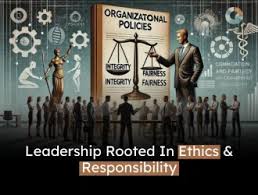
Executive accountability is a cornerstone of ethical corporate leadership. It defines how leaders take responsibility for their decisions, uphold integrity, and ensure that their organizations operate transparently and responsibly. In today’s complex business environment, the expectations for ethical behavior are higher than ever, and executives are increasingly held accountable not just legally but also socially and morally.
The Importance of Executive Accountability
Ethical corporate leadership goes beyond compliance with laws and regulations. It encompasses the commitment of leaders to foster a culture of integrity, transparency, and responsibility. Executives serve as role models, and their actions influence corporate culture, employee behavior, and stakeholder trust. When leaders fail to demonstrate accountability, it can lead to reputational damage, financial loss, and erosion of public trust.
For example, tech companies that mishandle user data face public backlash and regulatory scrutiny, highlighting the need for executive oversight and ethical decision-making. Leaders must ensure that corporate policies align with ethical standards and that employees understand the importance of compliance and responsible conduct.
Case Study 1: Financial Transparency in Tech Firms
A notable case in recent years involved large technology companies navigating cloud computing services and remote work infrastructure. When a company introduces innovations such as a cloud PC for seamless remote access, executives must balance rapid technological advancement with privacy and security obligations. Ethical leadership requires transparency about data management practices, security measures, and potential risks to clients and employees.
Microsoft’s introduction of cloud PCs, for instance, demonstrates how executives need to anticipate ethical considerations in technology deployment. Leaders are accountable not only for operational success but also for protecting user privacy and ensuring responsible use of technology .
Case Study 2: Corporate Responsibility in High-Stakes Industries
In high-risk industries like defense, executive accountability extends to operational decisions that can have global consequences. When organizations are involved in complex geopolitical or military-adjacent sectors, leadership decisions are scrutinized for both legal and ethical implications. While business objectives drive operations, ethical leadership ensures that actions do not compromise humanitarian standards or legal compliance .
Executives in such sectors must maintain a delicate balance between corporate growth, stakeholder expectations, and global responsibility. Case studies show that leaders who proactively embed ethics into strategic decisions reduce operational risks and enhance corporate reputation.
Case Study 3: Sports Organizations and Leadership Ethics
Accountability also plays a critical role in sports management, where leaders influence team culture, performance, and public perception. Executives and team managers are responsible for fostering ethical behavior among athletes, maintaining fair competition, and upholding contractual and sponsorship obligations . Failure in executive accountability can lead to scandals, legal challenges, and fan disengagement.
For instance, managing high-profile athletes and ensuring transparency in decision-making—such as roster changes or contract negotiations—demonstrates how leadership ethics directly impacts organizational success and public trust.
Read also: Kevin Durant Leads Suns to OT Victory Over Clippers
Lessons Learned from Executive Accountability
Across industries, these case studies reveal key lessons for ethical corporate leadership:
- Transparency is Non-Negotiable: Leaders must communicate clearly about decisions affecting stakeholders.
- Proactive Risk Management: Ethical foresight helps mitigate legal, financial, and reputational risks.
- Culture of Responsibility: Leaders set the tone; employees follow. Ethical leadership starts at the top.
- Stakeholder Engagement: Accountability involves considering the interests of shareholders, employees, clients, and the broader community.
By prioritizing these principles, executives can lead organizations that are both profitable and socially responsible.
Conclusion
Executive accountability is more than a corporate buzzword; it is the foundation of ethical leadership that sustains long-term organizational success. Case studies from technology, defense-adjacent sectors, and sports organizations highlight how ethical considerations influence decision-making, stakeholder trust, and corporate reputation. Leaders who embrace accountability not only prevent crises but also create a positive organizational culture that values integrity and responsibility.
Read also: Microsoft Unveils Cloud PC for Seamless Remote Access