Hedge Funds Focus on Non-Traditional Assets as global markets become more volatile and traditional investment strategies face increasing limitations. In today’s rapidly evolving financial environment, hedge funds are shifting beyond conventional stocks and bonds, allocating capital toward alternative investments that offer higher growth potential and stronger diversification. This strategic pivot reflects a broader transformation in asset management, where innovation, geopolitical awareness, and digital disruption are redefining portfolio construction.
The Rise of Non-Traditional Assets in Hedge Fund Portfolios
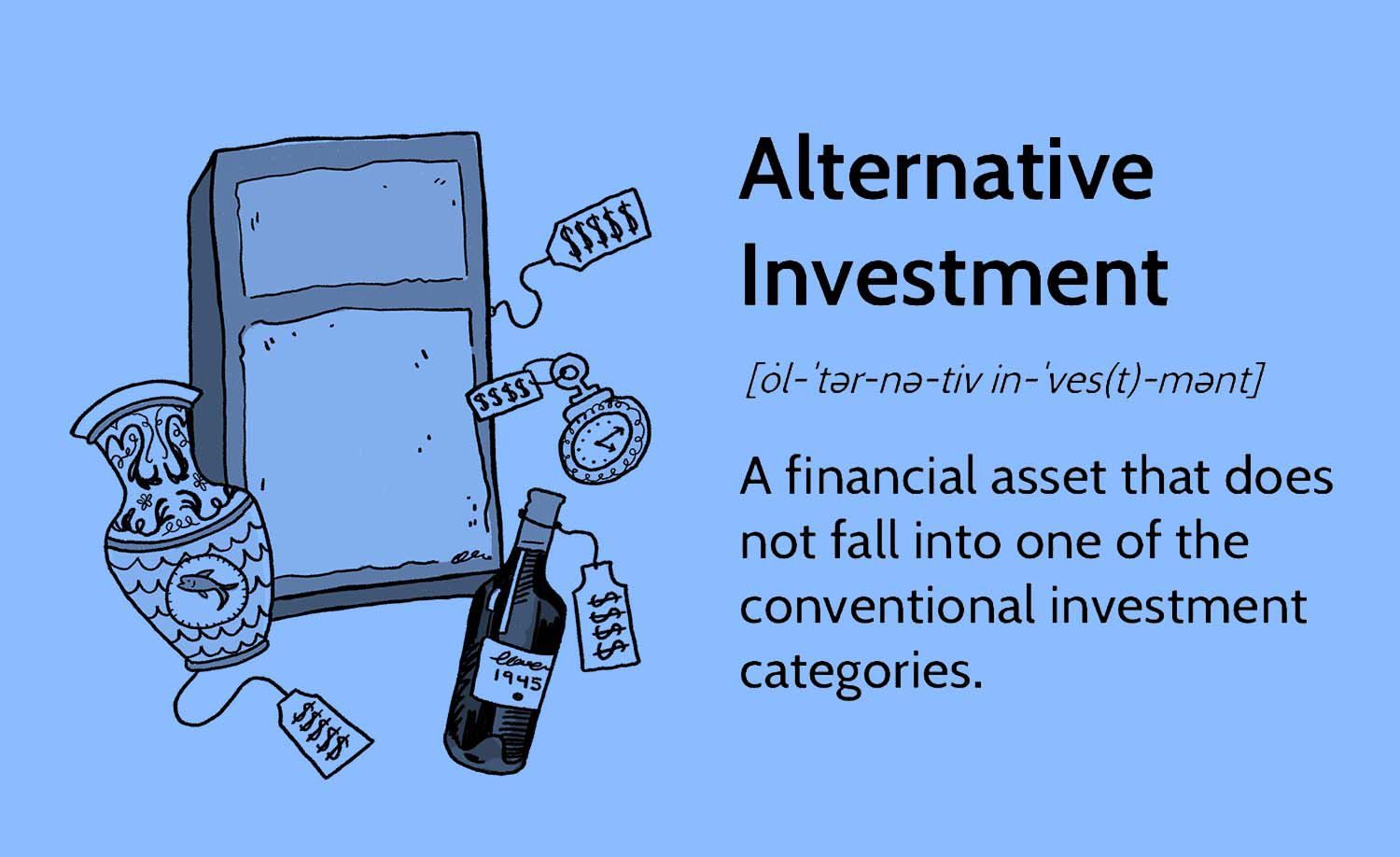
Non-traditional assets have become an essential component of hedge fund strategies, encompassing areas such as commodities, private equity, real estate, cryptocurrencies, and distressed debt. These assets often present higher risk, but they also offer significant potential for high returns, especially in volatile markets. Hedge fund managers are leveraging their expertise to identify opportunities in underexplored markets, positioning themselves ahead of broader institutional investors.
For instance, geopolitical developments can create unique investment opportunities. Political instability in certain regions often affects commodity prices and local markets, prompting hedge funds to adjust their holdings strategically. A case in point is the ongoing situation in Syria, where shifts in political power and alliances could influence regional markets. Understanding such dynamics allows hedge funds to capitalize on price fluctuations or invest in assets undervalued due to geopolitical uncertainties. Readers can explore more about the regional context here: Assad Seeks Asylum in Moscow and Who’s Behind the Revived Syrian Conflict.
Embracing Digital Transformation and Alternative Platforms
Another key area reshaping hedge fund strategies is the integration of technology and alternative digital platforms. Social media, mobile apps, and online marketplaces have become influential in market sentiment, directly impacting investment decisions. Regulatory actions on digital platforms can have substantial ripple effects, affecting investor confidence and market valuations. For example, legal decisions surrounding platform restrictions, like the U.S. court rulings on TikTok, highlight how regulatory changes can influence tech-related investments. Hedge funds are closely monitoring these developments to anticipate market movements and adjust their exposure accordingly. More on this topic can be read here: TikTok U.S. Ban Court Decision.
Moreover, hedge funds are increasingly adopting data-driven approaches to assess non-traditional investments. Artificial intelligence (AI) and machine learning algorithms are being employed to analyze large datasets, forecast market trends, and optimize asset allocation. These tools enable hedge funds to identify patterns that traditional analysis might miss, giving them an edge in high-stakes investment environments.
Risks and Rewards in Alternative Investments
While non-traditional assets can enhance portfolio diversification and returns, they come with unique risks. Market liquidity, regulatory uncertainty, and valuation challenges are significant factors that hedge fund managers must navigate. Additionally, the global political landscape and economic volatility can affect the performance of unconventional assets.
Hedge funds mitigate these risks through a combination of in-depth research, scenario analysis, and risk management strategies. They often maintain flexible investment mandates, allowing them to quickly respond to emerging opportunities or withdraw from underperforming positions. Investors are drawn to hedge funds’ ability to deliver alpha in diverse market conditions, particularly when traditional assets underperform.
The Future of Hedge Funds in a Dynamic Market
The growing focus on non-traditional assets indicates a transformative shift in hedge fund management. As global markets become increasingly interconnected, hedge funds are expected to continue exploring alternative strategies, ranging from impact investing to speculative opportunities driven by geopolitical events. This evolution reflects the funds’ adaptability, resilience, and commitment to providing investors with diversified exposure and robust returns.
In conclusion, hedge funds are embracing innovation and diversification, leveraging non-traditional assets to navigate complex markets. Their strategies now extend beyond conventional investments, encompassing emerging technologies, geopolitical dynamics, and alternative platforms. Investors looking to benefit from these trends should consider the expertise and agility hedge funds bring to navigating a rapidly changing financial landscape.