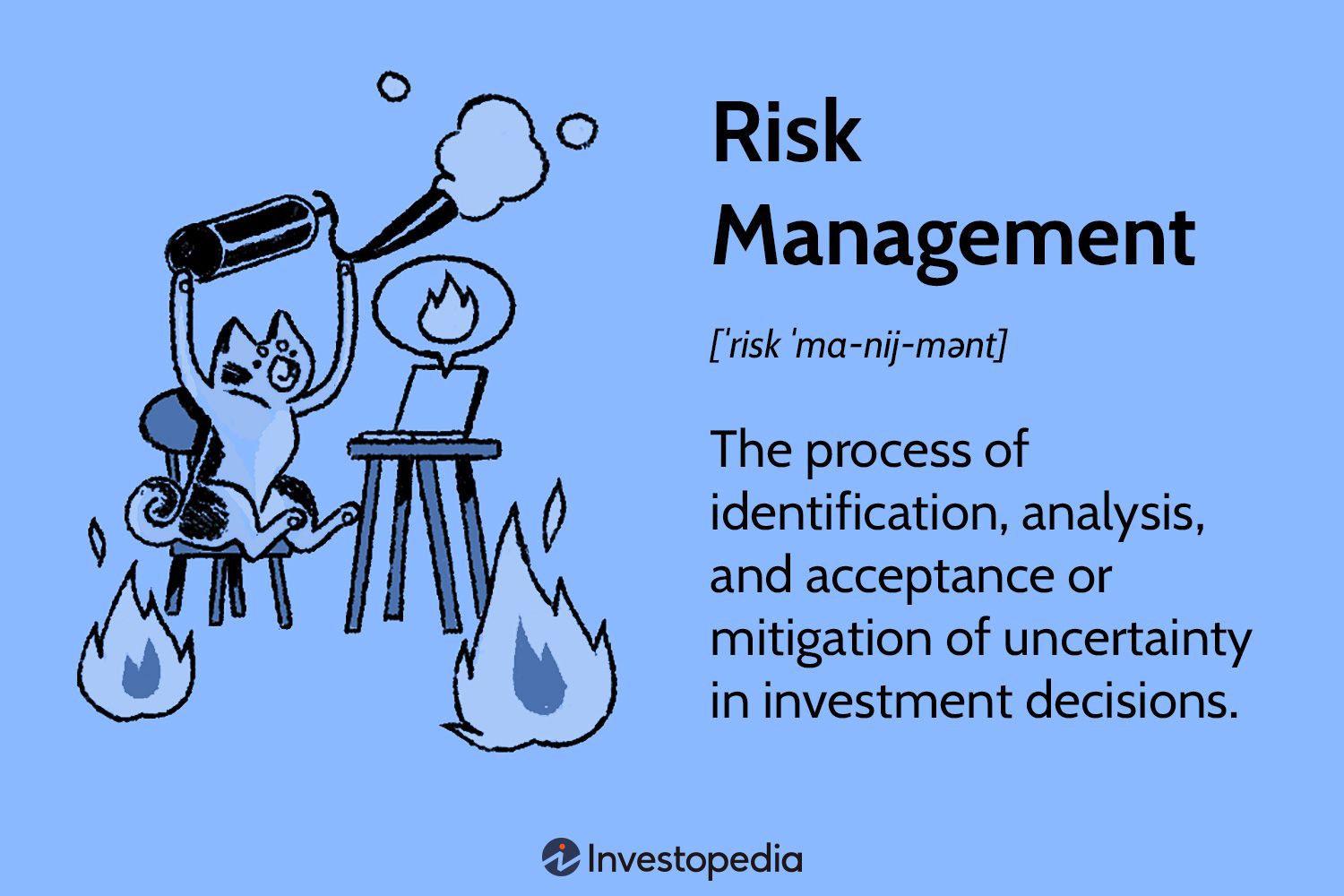
Derivatives are powerful financial instruments that can provide opportunities for hedging, speculation, and risk management, but they also carry significant risks if not properly understood. From futures and options to swaps and forwards, derivatives play a crucial role in modern financial markets, offering both potential rewards and pitfalls for investors, corporations, and institutions alike.
What Are Derivatives?
A derivative is a financial contract whose value is derived from the performance of an underlying asset, index, or rate. Common underlying assets include stocks, bonds, commodities, interest rates, and currencies. Derivatives can be used to manage risk, enhance returns, or gain exposure to specific markets without owning the underlying asset directly.
Some common types of derivatives include:
- Futures Contracts: Agreements to buy or sell an asset at a predetermined price on a specified date.
- Options Contracts: Provide the right, but not the obligation, to buy or sell an asset at a set price before a specific date.
- Swaps: Contracts to exchange cash flows or liabilities, often used to manage interest rate or currency risk.
- Forwards: Customized agreements between two parties to buy or sell an asset at a specified future date and price.
Derivatives can serve as effective tools for portfolio management, hedging against price volatility, or gaining leveraged exposure to market movements.
Read Also: Transformative Immersive Technology for Cultural Preservation
Opportunities Presented by Derivatives
- Risk Management and Hedging
One of the primary benefits of derivatives is their ability to mitigate risk. For instance, a farmer can use futures contracts to lock in the price of a crop, protecting against fluctuations in commodity prices. Similarly, companies can hedge against currency or interest rate changes to stabilize cash flow and reduce uncertainty. - Portfolio Diversification
Investors can use derivatives to gain exposure to assets or markets that might otherwise be inaccessible. For example, options can allow investors to participate in stock price movements without committing large capital upfront, offering a form of leverage. - Speculation and Profit Opportunities
While riskier, derivatives provide opportunities for profit through market speculation. Traders can benefit from price movements in underlying assets without actually owning them, using strategies that capitalize on market volatility. - Price Discovery
Derivatives markets contribute to price discovery by reflecting collective market expectations. Futures prices, for example, can provide insights into expected supply and demand dynamics for commodities, currencies, or other assets.
Read Also: Artificial Intelligence in Cultural Preservation
Risks Associated with Derivatives
Despite their potential benefits, derivatives carry inherent risks, which can be amplified by leverage:
- Market Risk
The value of a derivative is linked to its underlying asset, making it sensitive to market fluctuations. A small change in the underlying asset’s price can result in significant gains or losses. - Leverage Risk
Many derivatives allow for high leverage, meaning investors can control large positions with relatively small capital. While leverage can amplify profits, it also magnifies losses, potentially exceeding the initial investment. - Counterparty Risk
Derivatives often involve contracts with other parties. If a counterparty fails to fulfill their obligations, it can lead to financial losses, particularly in over-the-counter (OTC) derivatives markets. - Complexity and Transparency Issues
Certain derivatives, especially exotic options or structured products, can be highly complex. Investors may not fully understand the risks involved, and lack of transparency can lead to unexpected outcomes. - Liquidity Risk
Not all derivatives are actively traded. In illiquid markets, it can be difficult to enter or exit positions without significantly impacting prices, increasing potential losses.
Key Considerations for Investors
Before engaging in derivative trading, investors should consider the following:
- Understand the Instrument: Knowledge of how the derivative works, its payoff structure, and associated risks is essential.
- Assess Risk Tolerance: Only investors who can bear potential losses should engage in speculative derivative trading.
- Use Derivatives Strategically: Focus on risk management and hedging purposes rather than purely speculative motives.
- Monitor Market Conditions: Regularly track market trends, volatility, and underlying asset performance.
Derivatives can be powerful tools when used wisely. They allow for effective risk management, strategic investment, and portfolio optimization—but they demand careful understanding and disciplined risk control.
Read Also: Blockchain Innovations for Digital Cultural Preservation